

In early September 2024, tragedy struck the United States Air Force Academy (USAFA) and the nation when 19-year-old cadet Avery Koonce.
A first-year student from Taylor, Texas, was found unresponsive in her dormitory room at the Academy in Colorado Springs.
Emergency responders arrived promptly on the morning of September 4th, but despite their best efforts, Koonce was pronounced dead shortly thereafter.
Her passing sent shockwaves not only through her hometown but also across the Academy, where peers, instructors, and staff were left grappling with the loss of a promising young cadet whose life had been full of potential.
The news sparked an outpouring of grief from fellow cadets, coaches, classmates, and community members, highlighting the profound impact Avery had on everyone around her.

An autopsy performed by the El Paso County Coroner’s Office revealed that Koonce’s cause of death was “Paeniclostridium sordellii sepsis complicating Parainfluenza laryngotracheobronchitis.”
This rare medical combination occurs when a bacterial infection arises as a complication of a viral respiratory illness, and it is often fatal if not treated promptly.
Paeniclostridium sordellii is a highly aggressive bacterium capable of rapidly entering the bloodstream, leading to widespread infection and multi-organ failure.
The viral component, parainfluenza, is known to cause airway inflammation, persistent coughing, fever, and fluid accumulation in the lungs, all of which can weaken the immune system and create a dangerous environment for secondary infections to take hold.
The coroner’s report detailed that Koonce’s left lung exhibited acute inflammation and fluid buildup consistent with severe pneumonia.
The bacterial infection was found both in her lung tissue and bloodstream, confirming the development of sepsis — a life-threatening systemic response in which the body’s immune system, overwhelmed by infection, begins to damage its own tissues and organs.
Forensic pathologists, including renowned expert Dr. Michael Baden, emphasized that while the infection was aggressive, it was treatable with timely medical intervention.
Dr. Baden noted that Avery likely displayed classic pneumonia symptoms for several days, including persistent coughing, fatigue, shortness of breath, and fever.
Unfortunately, these warning signs were either underestimated or not addressed in time, illustrating how even young, otherwise healthy individuals can succumb to rapidly progressing respiratory infections.
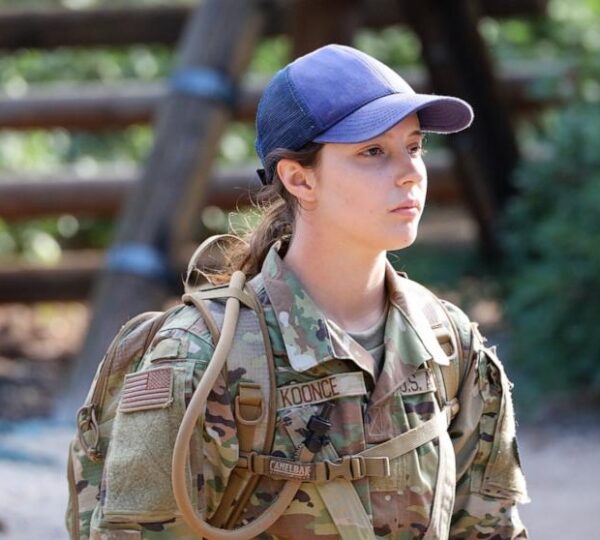
Avery Koonce’s life before the Academy was marked by both academic dedication and athletic excellence.
She attended Thrall High School in Taylor, Texas, where she excelled as a track and field athlete, specializing in sprint events.
Her coaches praised her discipline, determination, and natural talent, and she earned recognition both on the track and in the classroom.
Avery’s achievements extended beyond athletics; she was known for her leadership, camaraderie, and willingness to support teammates and peers alike.
At USAFA, she continued her athletic pursuits as a member of the women’s track and field team, balancing the demanding combination of military training, academic rigor, and competitive athletics — a feat that demonstrated her resilience and commitment.
Coaches and fellow cadets described her as focused, disciplined, and warm-hearted, someone who embodied the core values of the Academy while inspiring those around her.
The death of Avery Koonce had an immediate emotional impact on her family, her friends, and the broader Academy community.
Lieutenant General Tony Bauernfeind, Superintendent of the USAFA, reflected on Avery’s dedication and character, stating, “Avery was an incredible teammate and cadet, and her loss will be felt across the entire Academy.
She had an exceptional spirit and was committed to serving her country with honor and dedication.”
Her parents, Eric and Kelly Koonce, described their daughter as “an incredible bright light in this broken world,” noting that her absence leaves a void that no one can fill.

They remembered her not only as a beloved daughter but also as a compassionate friend, a dedicated athlete, and a young woman whose kindness, intelligence, and determination left a lasting impression on all who knew her.
Medical experts reviewing Koonce’s case have emphasized how quickly respiratory infections can escalate in even healthy, young individuals.
Viral illnesses such as parainfluenza can compromise immune defenses, creating an opportunity for secondary bacterial infections like Paeniclostridium sordellii to take hold.
The progression from what may initially appear as a mild cough or fever to a rapidly developing, life-threatening condition can occur in just a matter of days.
This underscores the critical importance of early recognition, medical evaluation, and timely treatment for respiratory symptoms, even when they seem minor.
The tragic circumstances surrounding Avery Koonce’s death have also prompted discussions about health awareness in high-pressure, high-demand environments such as military academies.
Cadets often endure physically and mentally demanding schedules, which can make it easy to overlook or downplay symptoms.
Avery’s story highlights the danger of delaying medical care, and it serves as a sobering reminder that respiratory illnesses should never be ignored, particularly when they involve persistent coughing, fever, or difficulty breathing.
Beyond the medical and procedural lessons, Avery’s life and death resonate as a deeply human story of promise, dedication, and loss.
Her peers and instructors recall a cadet who not only pursued excellence but inspired those around her through her commitment, optimism, and kindness.
Even in the face of the rigorous demands of military training and athletics, Avery consistently demonstrated integrity, perseverance, and a willingness to uplift others.
Her story reminds communities of the importance of vigilance, compassion, and the timely recognition of serious medical conditions.

In remembering Avery Koonce, those who knew her emphasize the enduring impact of her short life.
Her story is now both a memorial to a talented, bright, and determined young woman and a cautionary lesson about the importance of recognizing warning signs of serious illness.
Avery’s legacy lies not only in her achievements and the joy she brought to those around her but also in the awareness and vigilance her tragic passing inspires regarding the risks of untreated respiratory infections.
Her life, though tragically cut short, remains a powerful testament to resilience, courage, and the necessity of caring for oneself and others — a poignant reminder that every symptom can be meaningful, and that timely action can save lives.