
Rare Job-Site Incident Renews Focus on Employee Safety Protocols
The Journal of Orthopaedic Case Reports published a tragic account in September 2022 about an 18-year-old man in India who hurt his cervical spine badly when a big metal object fell on the front of his head while he was working.
This unusual and terrible injury shattered the C5 vertebral body in a way that pushed it back, and it was also linked to a C6 fracture. The victim died two days after going to the doctor. This is the first time that damage morphology has been seen that doesn’t fit with the standard ways of classifying things.
The Event: An Injury Happened All of a Sudden, Starting a Crisis
The
case report says that a huge, heavy metal pipe or beam dropped from above and hit the young man’s head as he was working. He passed out, had trouble breathing, and went into shock nearly right away after what happened. Before taking him to the hospital, emergency medical workers quickly put a stiff cervical collar on him and put a tube in his throat.
Anatomy and Mechanism: Why the Subaxial Spine Is Weak
The subaxial cervical spine (C3–C7) is flexible, therefore the neck can move in almost any direction. When there is force on the head-to-spine axis, vertebral bodies like C5 can get crushed between vertebrae that are next to each other. The downward strain in this example generated a “nutcracker-like” compression that shattered C5 and forced it back into the spinal canal. It also broke C6 in a second place, near the upper rear corner ([turn0search0], [turn0search3]).
Clinical Results of Retropulsion Injuries
If a broken vertebral body slips back into the spinal canal, it could exert pressure on the spinal cord, which could cause paralysis or make it hard to breathe. Management needs urgent immobilization, stabilization, breathing support, and often surgical decompression. In this case, the patient died after 48 hours ([turn0search3]) because the canal injury and physiological instability made surgery impossible, even with cervical traction and stabilization.
Problems with Current Classification Systems
Some systems, such Allen & Ferguson, SLIC-S (Subaxial Injury Classification System), and AO Spine, place injuries into groups based on things like facet joint dislocation, pedicle fractures, burst fractures, ligamentous injury, and neurological state. But the C5 retropulsion in this case, which contained whole facets and pedicles, didn’t fit into any of the known groups. The paper states that we need more open classification systems to help us figure out how to correct odd damage patterns.
Suggestions and tips on how to be safe
Things you should know about keeping employees safe
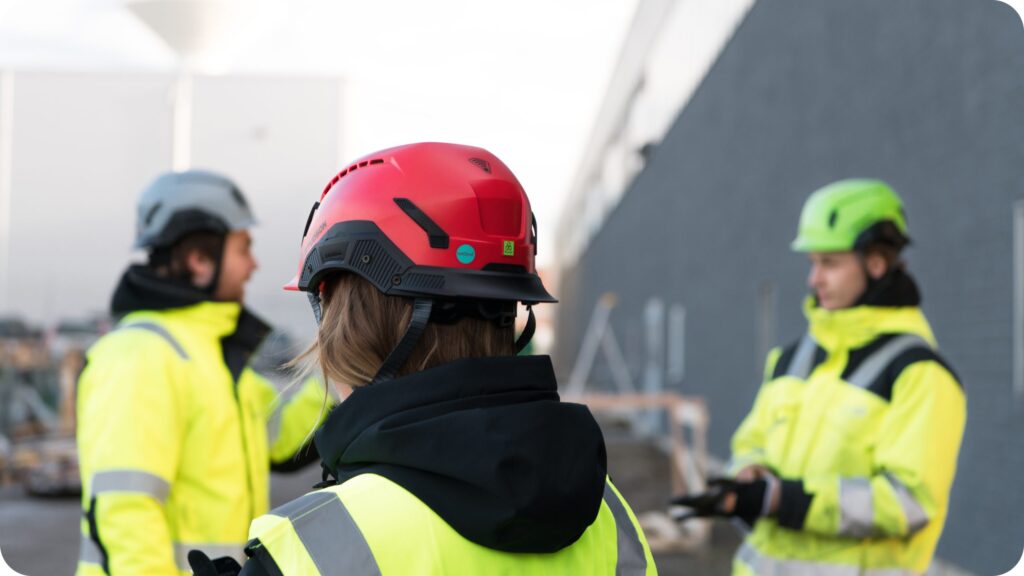
In places where things could fall from above, you should always wear the correct safety helmets.
Even for a short time, don’t stand or work under things that are hanging down.
Use harnesses, belts, netting, or strong shelves to keep heavy things secure above your head.
Employers should make sure that their personnel know how to recognize dangers above them and that they follow strict rules when they handle materials.
Make sure to lock up tall furniture and keep heavy stuff out of reach of kids and other individuals who live there.
How to Deal with Emergencies
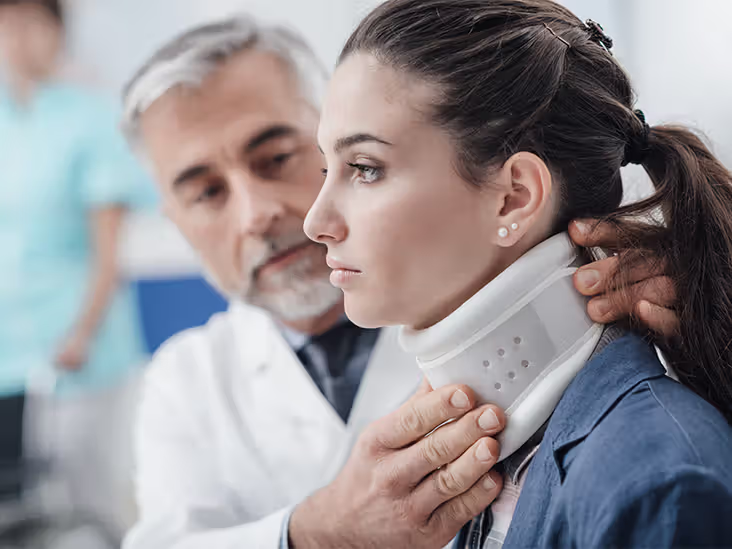
If you think someone hurt their neck, don’t move their head or neck. Just keep them calm and still.
If you have one, utilize a strong cervical support.
Call 911 right away so you can go to a place that can do imaging (CT/MRI) quickly.
Don’t move about too much, as this could make the damage to your spine worse.
Getting information and a diagnosis at the doctor’s office
Medical teams should be aware that flexion-compression injuries may not show up in the normal manner. It doesn’t mean the canal isn’t broken just because the facet doesn’t move.
You need to undertake a broad spectrum of imaging, such NCCT and MRI if they are available, to discover uncommon fracture shapes.
Radiologists and spine surgeons need to know about these unique cases so they may make better decisions about surgery and not make mistakes when diagnosing.
A well-organized summary Table Aspect Detail
The victim was an 18-year-old man from India.
What made the damage happen? When a big piece of metal falls on your head, it puts an axial load on you.
Finding out what’s wrong The CT scan showed that the bones in the rear of both C5 and C6 were shattered. The CT scan showed that the facets and pedicles were still in the right place and that C5 had gone back into the canal.
Plan for Care
The patient experienced shock, encountered respiratory difficulties, necessitated intubation, and underwent cervical traction before to succumbing two days later.
Importance This is a strange way to bend and compress that doesn’t fit into any of the usual ones.